
Last updated August 27, 2026
Free in-home measure and quote - PGT, CGI and CWS impact lines compared on your actual openings, style by style
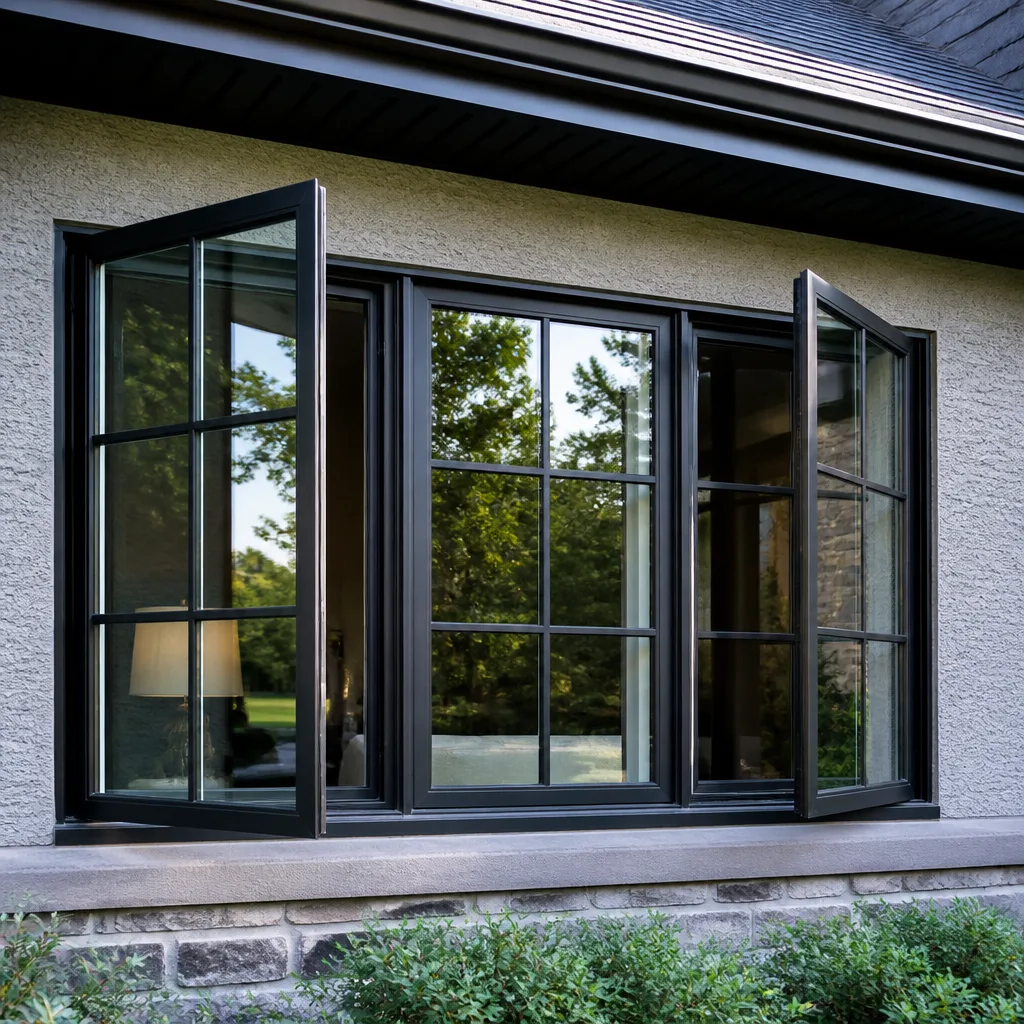
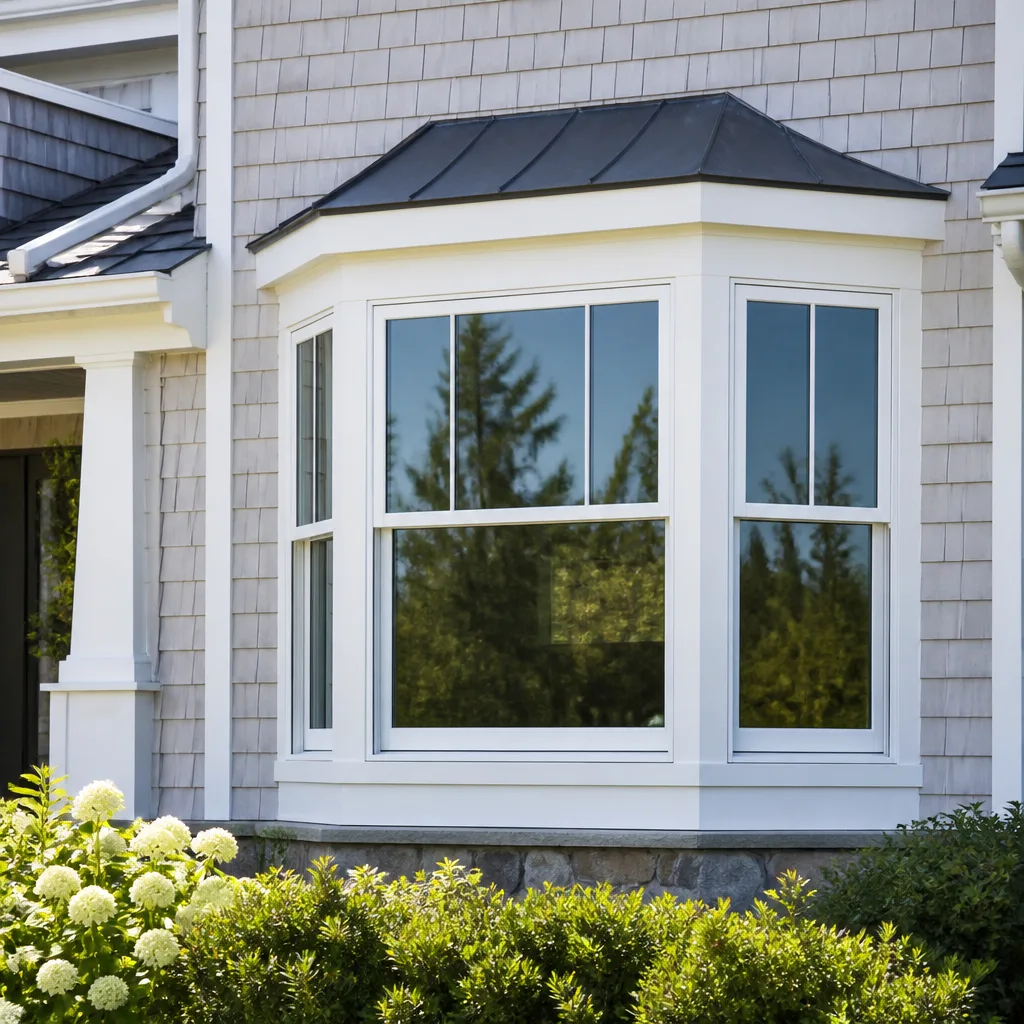
Sliding glass doors
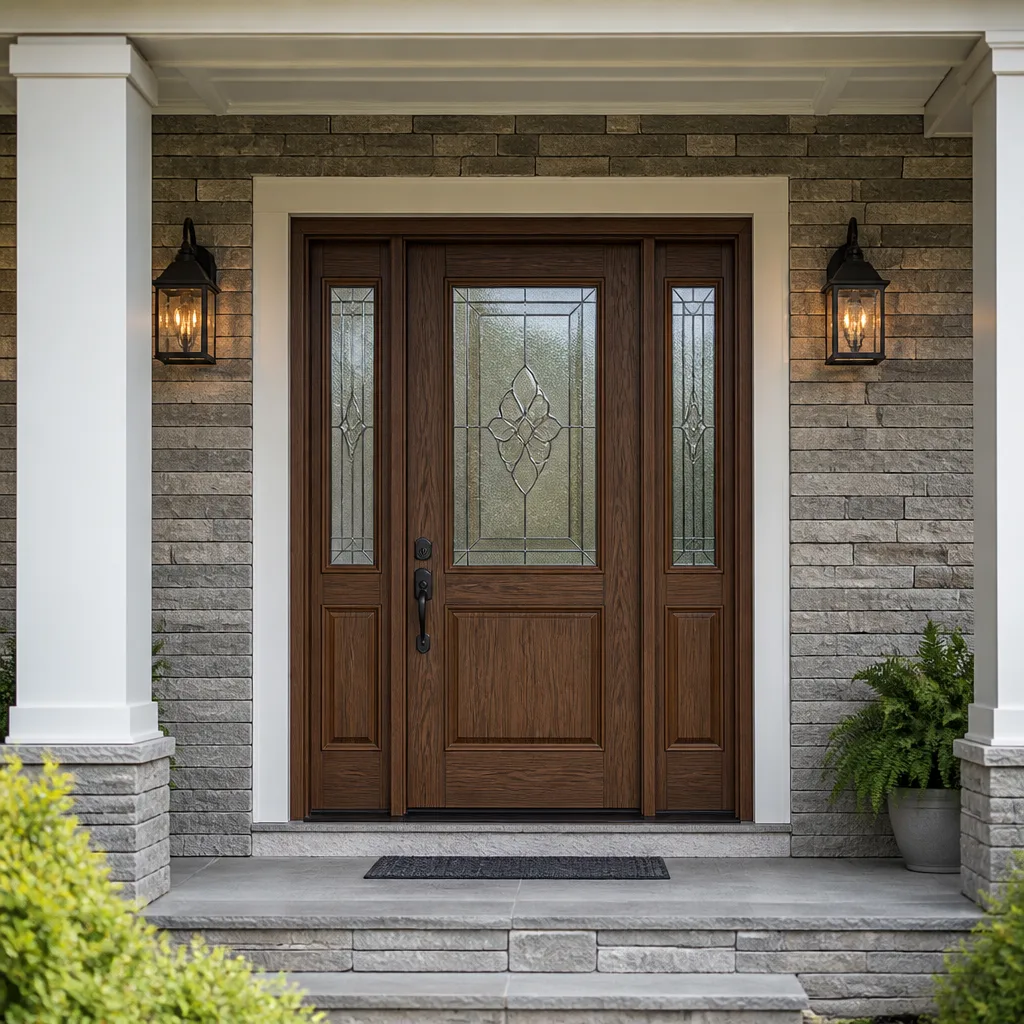
Impact garage doorsPGTCGI
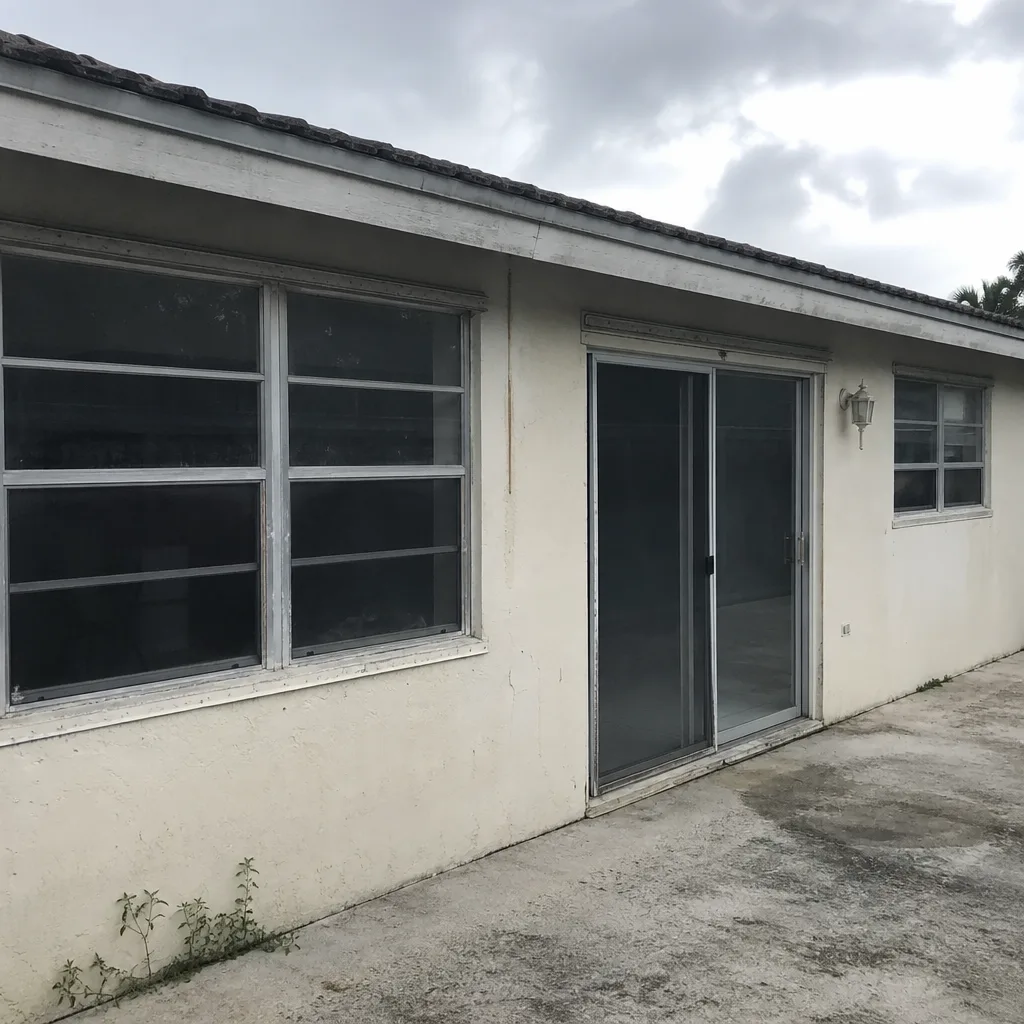 Before
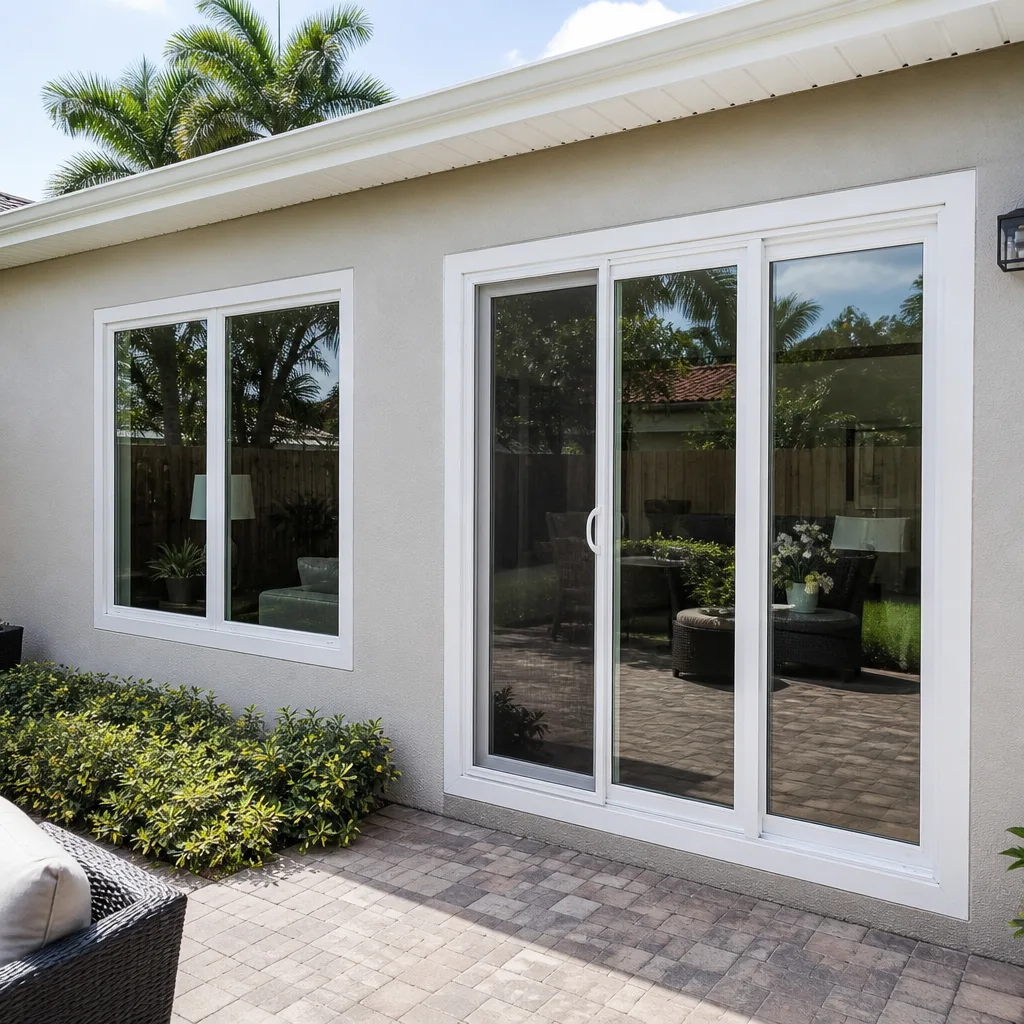 After
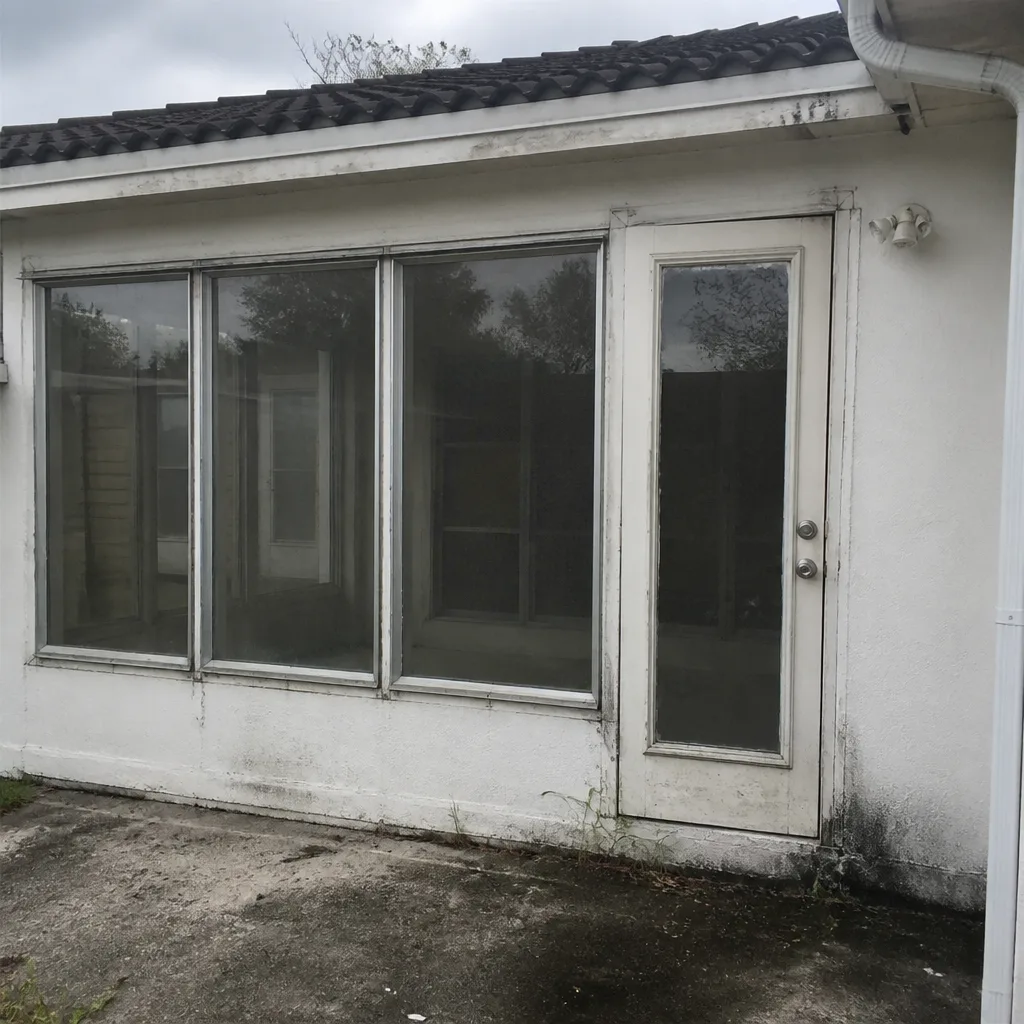 Before
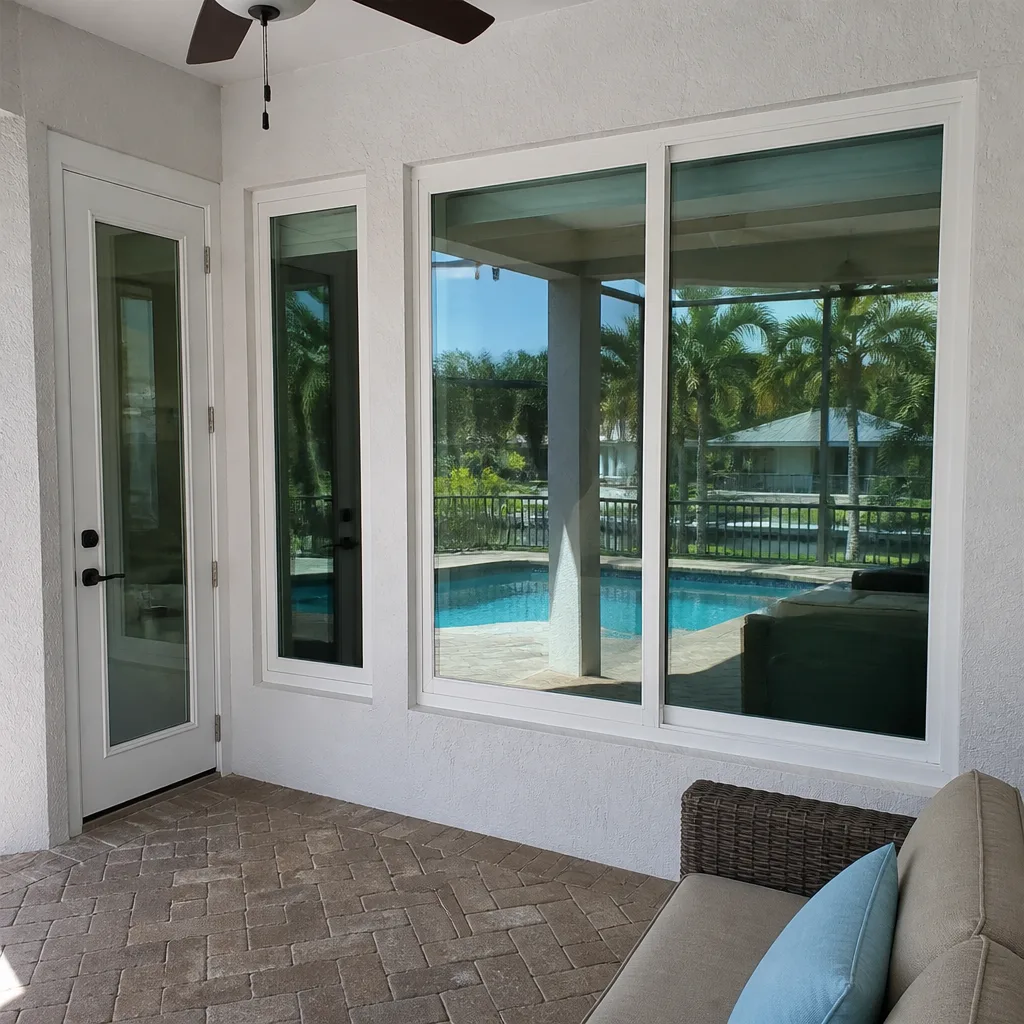 After
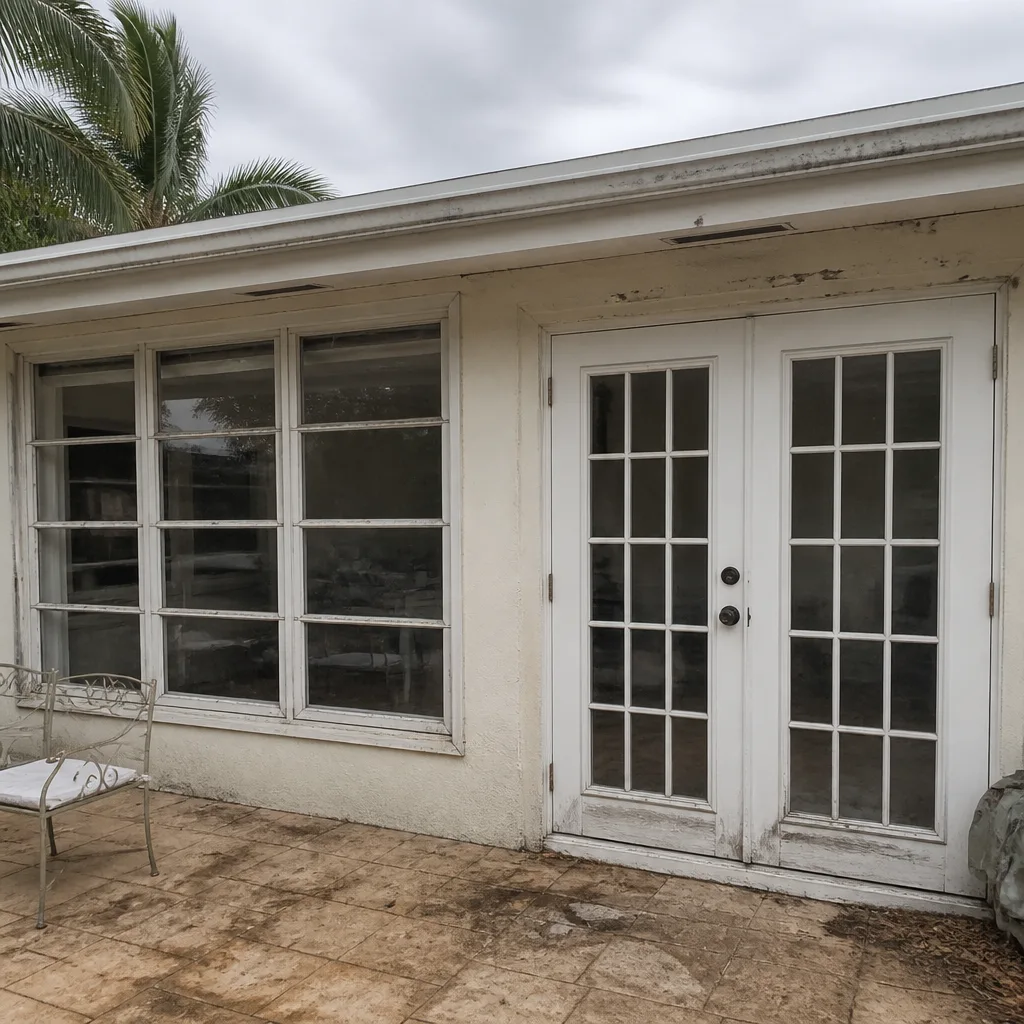 Before
 After
The Complete Guide to Windows & Doors in Pompano Beach
Most window and door failures in Pompano Beach don’t start with a bad frame or a cracked pane. They start with a bad install. We’ve opened up walls on homes here and found shims missing, flashing taped wrong, and frames set out of square by half an inch. That half inch is why the door binds in August and the window fogs in January. This guide walks you through what actually matters when you’re choosing, replacing, or repairing windows and doors in a coastal climate like Pompano Beach: the materials, the codes, the costs, and the install practices that separate work that lasts twenty years from work that needs redoing in five.
Quick Answer
Windows and doors in Pompano Beach must meet Miami-Dade or Florida Building Code impact standards if they’re in wind-borne debris zones, and most replacement work on the barrier islands and east of US-1 requires impact-rated, code-approved products. A full-frame window replacement in Pompano Beach typically runs $800 to $1,800 per opening installed, while a quality entry door with impact glass runs $2,500 to $6,500. The single biggest factor in long-term performance is not the brand name on the glass; it’s whether the installer sets the frame true, flashes it correctly, and registers both warranty layers in writing.
Table of Contents
- Understanding the Pompano Beach Climate
- Impact Windows and Doors: What the Code Actually Requires
- Window Frame Materials: Aluminum, Vinyl, and the Truth About Both
- Glass and Energy Efficiency in South Florida
- What Replacement Costs in Pompano Beach
- How to Choose a Window and Door Contractor
- Common Mistakes to Avoid
- When to Call a Professional
- Frequently Asked Questions
Understanding the Pompano Beach Climate
Pompano Beach sits in a high-velocity hurricane zone. That’s not a marketing phrase; it’s a building code designation, and it governs nearly every window and door decision a homeowner makes here. The salt air off the Atlantic moves inland for miles, settling on aluminum frames, corroding rollers, and eating through hardware that would last decades in Orlando or Gainesville. We’ve pulled out sliding door tracks in Lighthouse Point and Cypress Bend that looked like they’d been submerged in seawater, when really they just spent fifteen years within two miles of the beach.
The moisture load is relentless. Summer humidity routinely sits above 80 percent, which means a window with a failed seal shows condensation almost immediately. A door that was never properly flashed against wind-driven rain will start showing water stains on the interior drywall within the first few hurricane seasons. And the UV index here is among the highest in the continental United States. That’s what fades furniture, warps hollow-core doors left too long in direct sun, and breaks down low-grade vinyl window gaskets faster than manufacturers like to admit.
For a homeowner in Pompano Beach, every product decision starts with three questions: Can it take a hurricane? Can it survive the salt? Can it handle the humidity? If a product can’t pass all three, the price doesn’t matter. It won’t last here.
Impact Windows and Doors: What the Code Actually Requires
Impact windows and impact-rated doors are the default standard for most of Pompano Beach. The Florida Building Code divides the city into wind speed zones, and the areas east of US-1, including the barrier island, Pompano Isles, and the neighborhoods along the Intracoastal, sit in the most demanding category. In these zones, every window and exterior door in a new build or a major remodel must either be impact-rated or protected by an approved shutter system. A major remodel means work that touches more than 25 percent of the home’s exterior wall area in a single year.
The distinction matters more than most homeowners realize. A “large missile impact” rating means the product withstood a 9-pound 2×4 launched at 50 feet per second without penetration. A “small missile” rating covers debris that hits after the big stuff has already broken through. Both ratings appear on a label that gets etched onto the glass or attached to the frame. That label carries a Notice of Acceptance number. Without that number, a building inspector in Pompano Beach will not sign off on the job, and your insurance company will not apply wind mitigation credits to your policy.
There’s a practical difference between impact glass and ordinary tempered or laminated glass. Impact windows use multiple layers of glass with an interlayer of polyvinyl butyral or a similar polymer. When a storm throws a fence picket through the air, the glass cracks but stays in the frame. The interlayer holds the shards in place, and the window continues to keep wind and water out of the house. That matters because the pressure differential during a hurricane does more damage than the wind itself. Once an opening fails, the roof can lift.
In our experience working Pompano Beach homes, we’ve replaced hundreds of non-impact windows on older houses in the Colliers City and Cresthaven neighborhoods where the original builds predate modern code. Those windows functioned fine as windows. They just wouldn’t have done anything useful in a Category 3 storm.
We install impact products from PGT, CGI, and ES Windows, among others, and we quote manufacturer lines side by side on paper. The only honest way to compare them is to see the performance ratings and warranty terms next to each other in black and white. For a deeper look at our TruePane Windows & Doors home approach to impact products, start there.
Window Frame Materials: Aluminum, Vinyl, and the Truth About Both
In Pompano Beach, aluminum and vinyl are the two primary frame materials, and each has a real argument. Aluminum is stronger by weight, which is why impact-rated windows, especially large ones, are so often aluminum. It holds its shape over wide spans, and a well-extruded, anodized or powder-coated aluminum frame can handle decades of coastal exposure without rusting. The downside is conductivity. Aluminum transfers heat into the house, which is why high-end aluminum impact windows now use a thermal break, a strip of non-conductive material that separates the interior and exterior halves of the frame. Without a thermal break, an aluminum frame on a west-facing wall in Pompano Beach gets hot enough to feel like a stovetop in July.
Vinyl is easier on the budget and naturally less conductive than aluminum. A quality vinyl window with a multi-chamber frame and fusion-welded corners seals well and won’t corrode. But not all vinyl is equal. We’ve pulled vinyl windows out of Pompano Beach homes where the frames had yellowed and turned brittle after a decade of sun, because the manufacturer had cut corners on impact modifiers in the extrusion compound. Cheap vinyl also flexes in heat, which causes sashes to bind. That creaking, sticking window you fight with every June might not be a broken balance; it might just be a frame that was built down to a price point.
The right answer for most Pompano Beach homes is usually an aluminum impact-rated window on large openings and sliding glass doors, and a quality vinyl window with a strong warranty on smaller, less critical openings. What matters more than the material is the gauge, the construction method, and the way the frame gets anchored to the rough opening. We’ve seen million-dollar homes with windows that flunked their first wind test because the installer bottomed out a screw in the wrong place and cracked the frame extrusion.
Glass and Energy Efficiency in South Florida
The glass you choose in Pompano Beach has two jobs: keep the hurricane out and keep your air conditioning in. The second job is the one homeowners feel on the electric bill. South Florida’s cooling season runs roughly April through October, and a home with single-pane windows and uninsulated metal frames is spending real money every month to cool air that’s leaking straight through the openings. The Department of Energy’s standard estimate is that windows account for 25 to 30 percent of residential heating and cooling energy use, but in a coastal climate with year-round air conditioning, the real-world number for an older Pompano Beach home can be higher.
Look for two numbers when you compare glass packages: U-factor and Solar Heat Gain Coefficient or SHGC. U-factor measures how well the glass insulates. Lower is better. In South Florida, a U-factor of 0.30 or below is a strong number for an impact-rated window. SHGC measures how much solar radiation the glass lets into the house. Lower means less heat gain. In this climate, a SHGC of 0.25 or below is the target, and for windows that face west and catch the afternoon sun over the Everglades, you want to be aggressive about it.
Low-E coatings do the heavy lifting. A quality low-E coating is a microscopic metallic layer applied to the inside surface of the outer glass pane. It reflects long-wave infrared heat back outside while letting visible light through. The difference between a bare glass window and a proper low-E window in Pompano Beach is not subtle; it’s the difference between a sofa that faces the afternoon sun staying comfortable in August or turning into an oven bench by 4 p.m.
Argon gas between the panes also matters, though not as much in South Florida as it does up north. Still, a double-pane impact window with argon fill and a low-E coating is the best-performing package for the money. Simonton and Ply Gem both build vinyl windows with this stack-up, and we carry them for homeowners who want a solid mid-tier option without paying for a name they don’t need. Jeld-Wen similarly offers a range of aluminum and vinyl lines that hold up reasonably well in coastal salt air when the frames are properly maintained.
What Replacement Costs in Pompano Beach
Window and door replacement prices in Pompano Beach run higher than the national average for two reasons: impact-rated products carry a premium, and labor costs in South Florida reflect the complexity of retrofitting openings in concrete block construction with strict code inspections. Here’s a realistic look at what a homeowner should expect to pay in the current market, based on the work we bid across Pompano Beach, Lighthouse Point, Deerfield Beach, and the surrounding areas.
For a standard single-hung impact window in a concrete block home, frame replacement including final cleanup and inspection, expect $800 to $1,400 per opening. Larger fixed windows and transoms run higher. A high-quality vinyl replacement window without impact rating, which is only appropriate where code allows it, starts around $500 per opening. A sliding glass door with impact-rated glass runs $5,000 to $10,000 installed, depending on the span. A full-frame entry door in impact-rated aluminum or composite runs $2,500 to $6,500.
What drives the price higher is always the same set of factors: the size of the opening, the condition of the existing framing, access around the outside of the house, and whether the job requires stucco repair after the old frame comes out. Homes in the older beachside sections of Pompano Beach often have rotted wood bucks hidden behind the stucco, and that repair work gets priced by the foot. A rotten sill on a sliding door in a concrete block wall can add $700 to $1,200 to a job before any new product lands in the opening.
We quote every job upfront with a written line-item estimate. No change orders, no surprise fees, and no “we discovered rot” phone calls after the work starts. The price on the paper is the price on the final bill.
One number to keep in mind: a 5 percent discount for seniors and veterans is standard at TruePane, and it applies to every job. It’s not a seasonal promotion and it doesn’t expire.
How to Choose a Window and Door Contractor
Most homeowners in Pompano Beach will replace windows and doors once, maybe twice, in a lifetime. They’ll hire a roofer three times and a plumber five times, but doors and windows are close to one-shot decisions. That means choosing the contractor matters more than choosing the window brand.
Here’s a straightforward process we recommend to anyone who’s serious about getting it right the first time.
- Get at least three quotes, but compare line items, not just totals. A cheaper bid that doesn’t include flashing, stucco repair, or permit fees will cost more in the end. Ask each contractor to itemize the work so you can see exactly what’s included.
- Ask for the NOA number for every product being quoted. In Pompano Beach, no Notice of Acceptance means no permit, no inspection, and no insurance credit. If the contractor can’t produce it on the spot, walk away.
- Check the warranty structure. Impact windows carry two warranties: one from the glass manufacturer covering the insulated glass unit and lamination, and one from the frame manufacturer covering the extrusion. Both should be registered in writing and the durations stated. If a bid doesn’t mention warranty registration, ask why.
- Ask who’s doing the work. Subcontractor crews are common in South Florida, and some do fine work. But if the crew changes job to job and the salesman never meets the techs who will actually open your walls, that’s a gap in accountability.
- Verify the license and insurance in the state of Florida. This is public record. A contractor who will not provide their license number before the estimate is not someone you want in your house.
- Read the contract before you sign. Every job should specify the products by model number, the scope of work, the payment schedule, and the timeline. A one-page contract for a $20,000 window job is a red flag.
At TruePane, the crew that measures your windows is the crew that installs them. Every technician is background-checked and uniformed. If the pane is not true, the job is not done, and that’s the same standard on the first visit and on every callback.
Common Mistakes to Avoid
- Substituting shutters for impact windows on the wrong opening. Shutters protect glass, but they don’t hold the frame in place. On large openings or second-story windows, a cheap shutter system can leave the opening vulnerable if the frame was never properly anchored. Get a structural assessment before mixing systems.
- Ignoring salt-air corrosion until the track fails. In neighborhoods like Cypress Harbor and the Hillsboro Shores area, we see sliding doors that have been closed for years because the rollers fused to salt-corroded aluminum tracks. Treat tracks with a dry lubricant seasonally and replace rollers before they seize. The maintenance check catches this early.
- Buying window quotes based on glass price alone. The glass package is one line item. Flashing, sealing, trim, stucco repair, and disposal are the other line items. A bid that jumps out as “too cheap” is usually missing one of those items, and you’ll find out on installation day.
- Skipping the permit. In Pompano Beach, window and door replacement requires a permit and inspection. Unpermitted work can void your homeowner’s insurance and become a problem when you sell the house. Any contractor who suggests you skip the permit is not doing you a favor.
- Choosing the widest door without checking the structural opening. Bigger glass means bigger wind load numbers, and a 12-foot opening needs a header that was probably not built for a 12-foot slider in a 1970s house. The engineering has to happen before the order goes in.
- Forgetting to ask about the senior and veteran discount. It’s a permanent 5 percent at TruePane, and if a contractor doesn’t offer it, the price isn’t as comparable as it looks.
When to Call a Professional
Some jobs around the house are worth attempting. Window and door replacement is not one of them. If you see water staining around a window frame, if a door has shifted and won’t close, if you hear glass rattle inside the frame when the wind picks up, or if you’re planning to sell the house and need an insurance inspection to pass, call someone who does this every day. Impact-rated glass is heavy, and a sliding door panel can weigh over 300 pounds. Setting it true requires two-man handling, proper shims, and experience with concrete block anchoring. A dropped panel or a fractured lamination during installation turns a $2,500 job into a $5,000 one. TruePane Windows & Doors offers free estimates in Pompano Beach, call (863) 591-8673 to schedule yours.
Frequently Asked Questions
Yes, unless your home is outside the designated wind-borne debris zones and you are not doing a major remodel. Homes east of US-1, including the barrier island, Pompano Isles, and neighborhoods along the Intracoastal, require impact-rated windows and doors or approved shutters on all new replacement work. Homes west of US-1 fall into lower wind speed zones, but most homeowners still choose impact products for insurance credits and storm protection. Call (863) 591-8673 for a free assessment of your specific zone and requirements.
Budget $800 to $1,400 per opening for mid-range impact windows installed, $2,500 to $6,500 for a quality impact entry door, and $5,000 to $10,000 for an impact sliding glass door. Larger spans, wood-buck replacement, and stucco repair push the top end higher. Every TruePane estimate is free and itemized in writing, with the senior and veteran discount of 5 percent applied when it applies. Call (863) 591-8673 for an exact quote on your home.
Impact glass stays in the frame and protects the home 24 hours a day without anyone lifting or installing anything, while shutters require manual deployment before a storm and can be erected incorrectly or left off in a rush. Both satisfy most Pompano Beach code requirements, but impact glass also provides year-round security, UV protection, and noise reduction. The choice often comes down to budget and whether anyone in the house is physically able to deploy shutters quickly.
Replacing single-pane windows with impact-rated, low-E glass packages in a Pompano Beach home typically reduces window-related heat gain by 40 to 60 percent, which shows up on the electric bill during the April to October cooling season. The exact savings depend on window orientation, shading, and how leaky the old windows were. West-facing openings in the afternoon sun benefit the most.
Most single-story Pompano Beach homes can be completed in two to five days once the products arrive from the manufacturer, which is typically four to eight weeks after order for impact-rated custom sizes. Larger whole-house jobs or homes with extensive stucco repair take longer. We set the schedule in writing before work begins and stick to it. We’ll be there when we say.
Yes. Every job we do in Pompano Beach is permitted through the city, and we schedule and pass every required inspection. Permits are included in the written estimate as a line item, never tacked on later. Unpermitted window work can void insurance claims and complicate a sale. A square deal means the permit is part of the job from day one.
The Bottom Line
Windows and doors in Pompano Beach are not a place to save a few hundred dollars. The coastal climate punishes cheap materials, and the building code punishes bad paperwork. A well-built impact window installed with proper flashing and a registered warranty will still be working through every storm category the Atlantic can throw at it for decades. A bad one will fog, corrode, and fail exactly when you need it most. The order of operations matters: know your code zone, choose products rated for it, compare quotes on paper, verify the NOA and warranties, and hire someone who measures twice and stands behind the work. If you’re ready to get started, call (863) 591-8673 for a free estimate. We’ve been serving Pompano Beach, and we plan to be here answering the phone for decades more.
Written by the team at TruePane Windows & Doors.
Six Reasons Homeowners Choose TruePane Windows & Doors
Impact systems engineered to design pressures up to +/-100, matched to your wind zone - your openings hold when the storm arrives.
Low-E insulated impact glass from our manufacturer lines commonly cuts monthly cooling bills 20-30%.
Laminated impact glass shuts out up to 40% of outside noise - traffic, neighbors, weather.
Monitoring services run $30-90 a month. Laminated impact glass resists forced entry around the clock, with no subscription.
Florida homeowners average around 25% savings on the windstorm portion of their policy after protecting every opening - some homes qualify for more.
A full impact package upgrades curb appeal, buyer confidence and appraised value in one project.