
Last updated August 27, 2026
Free in-home measure and quote - PGT, CGI and CWS impact lines compared on your actual openings, style by style
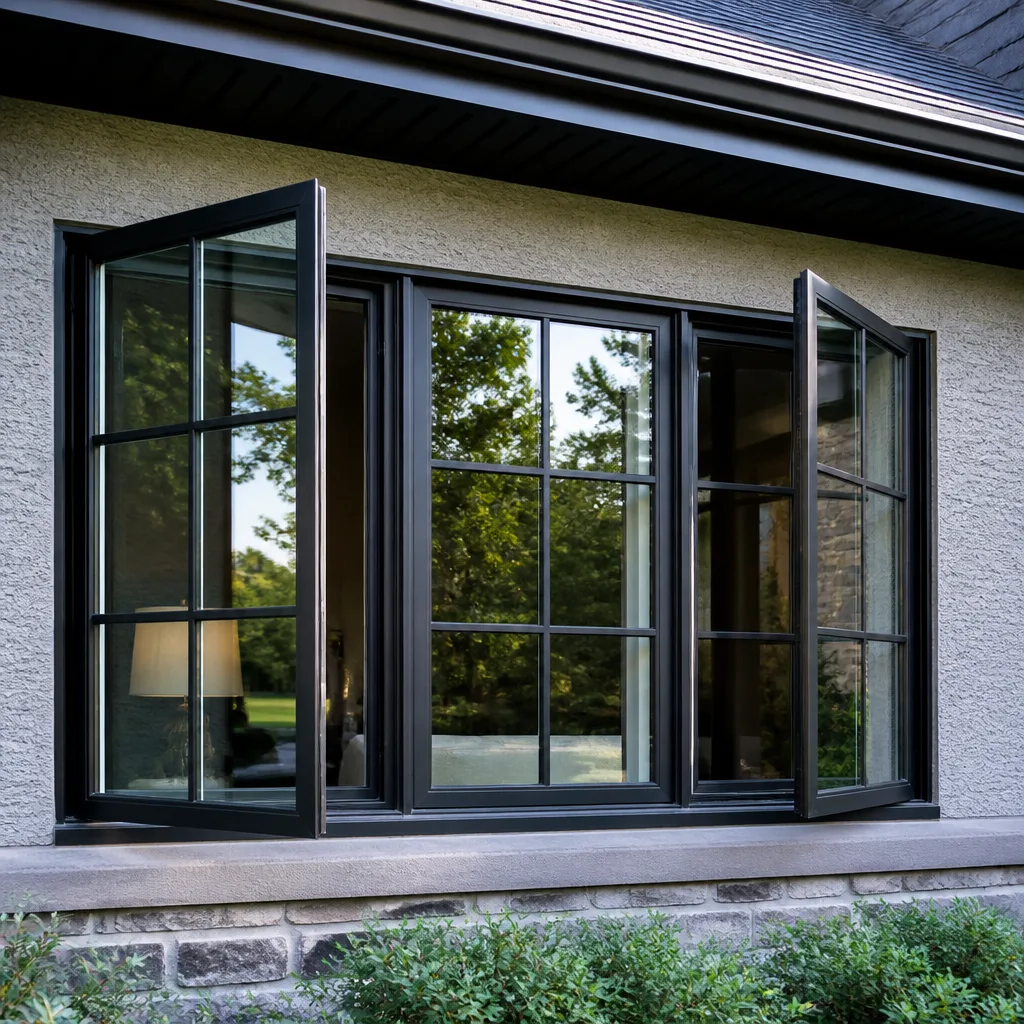
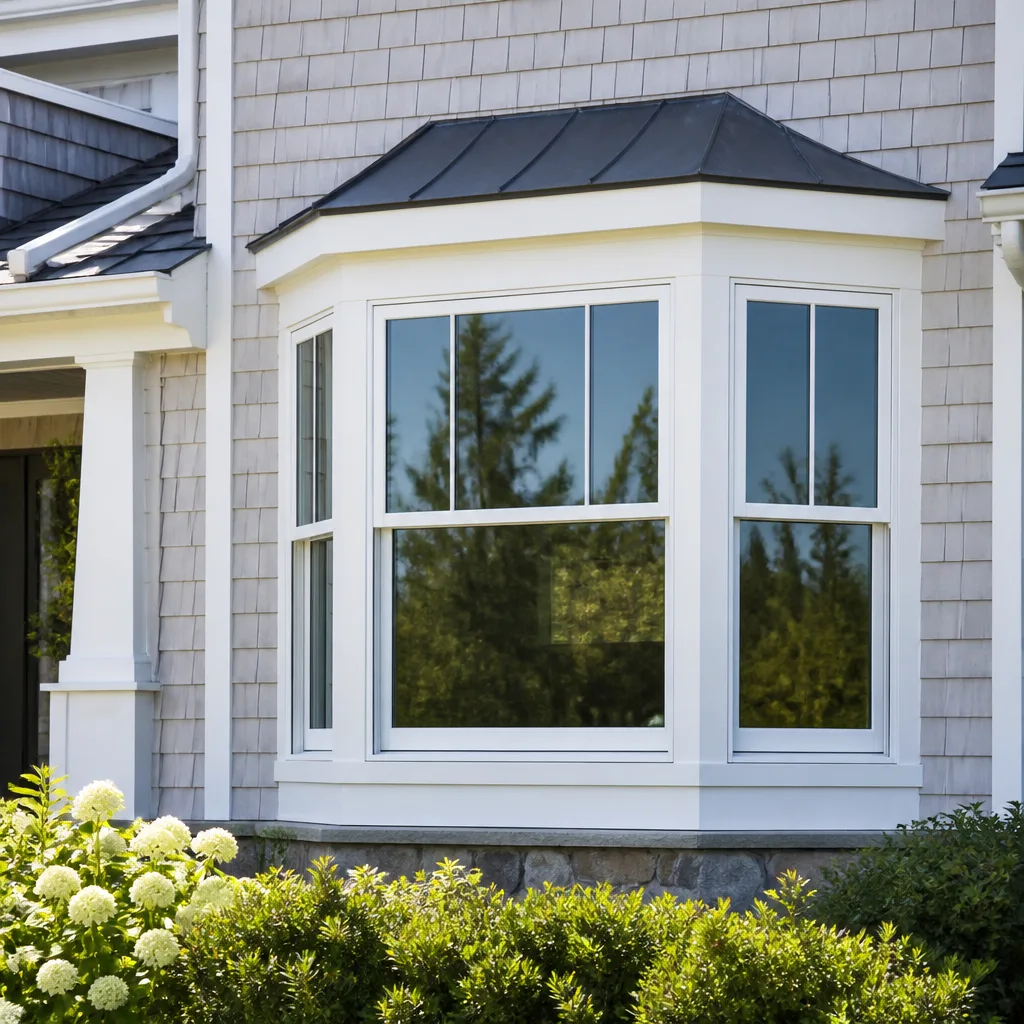
Sliding glass doors
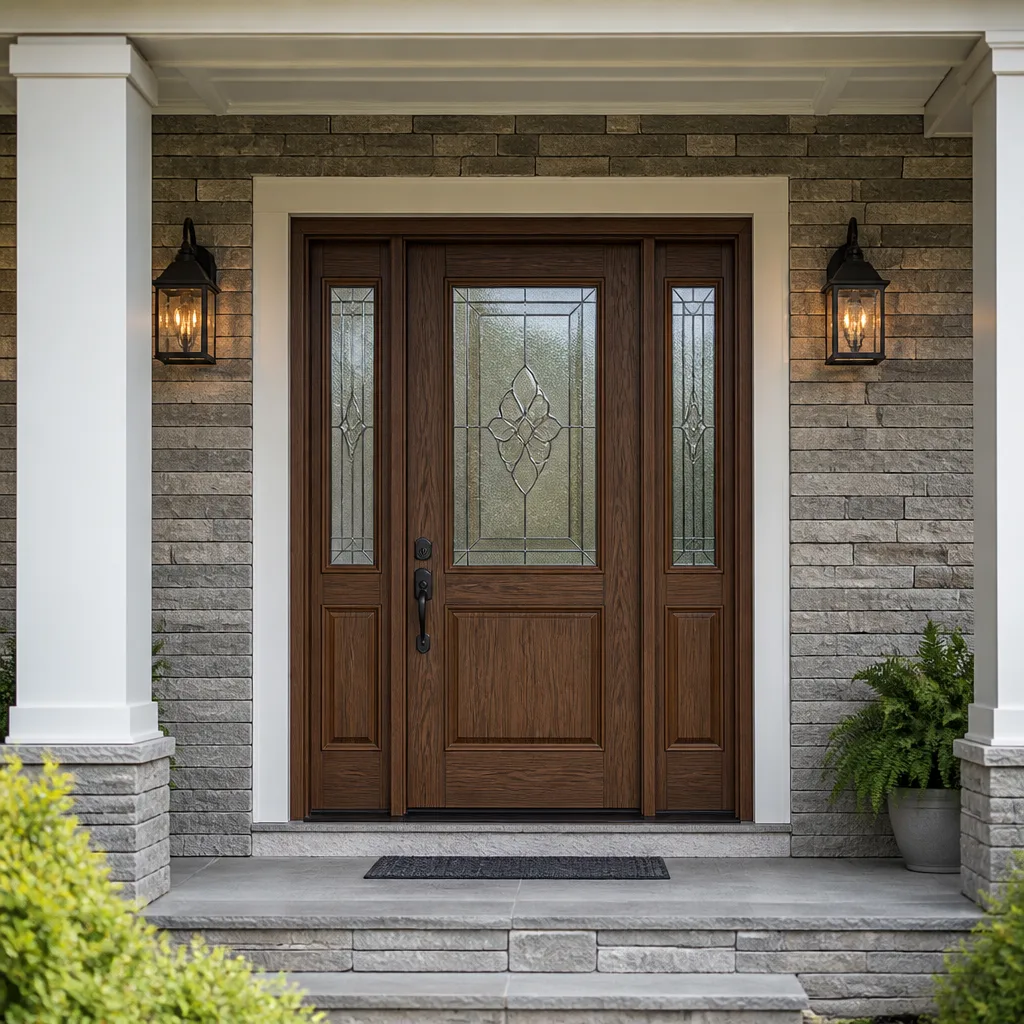
Impact garage doorsPGTCGI
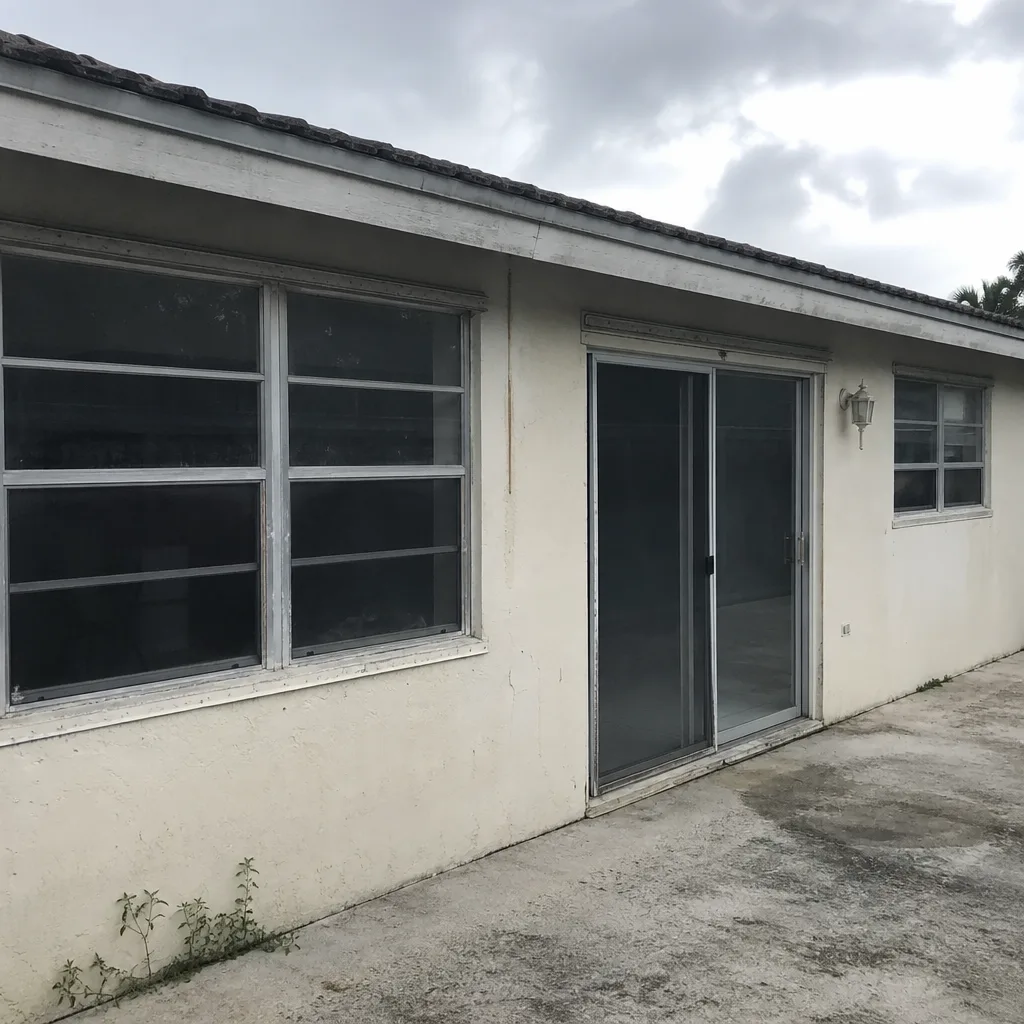 Before
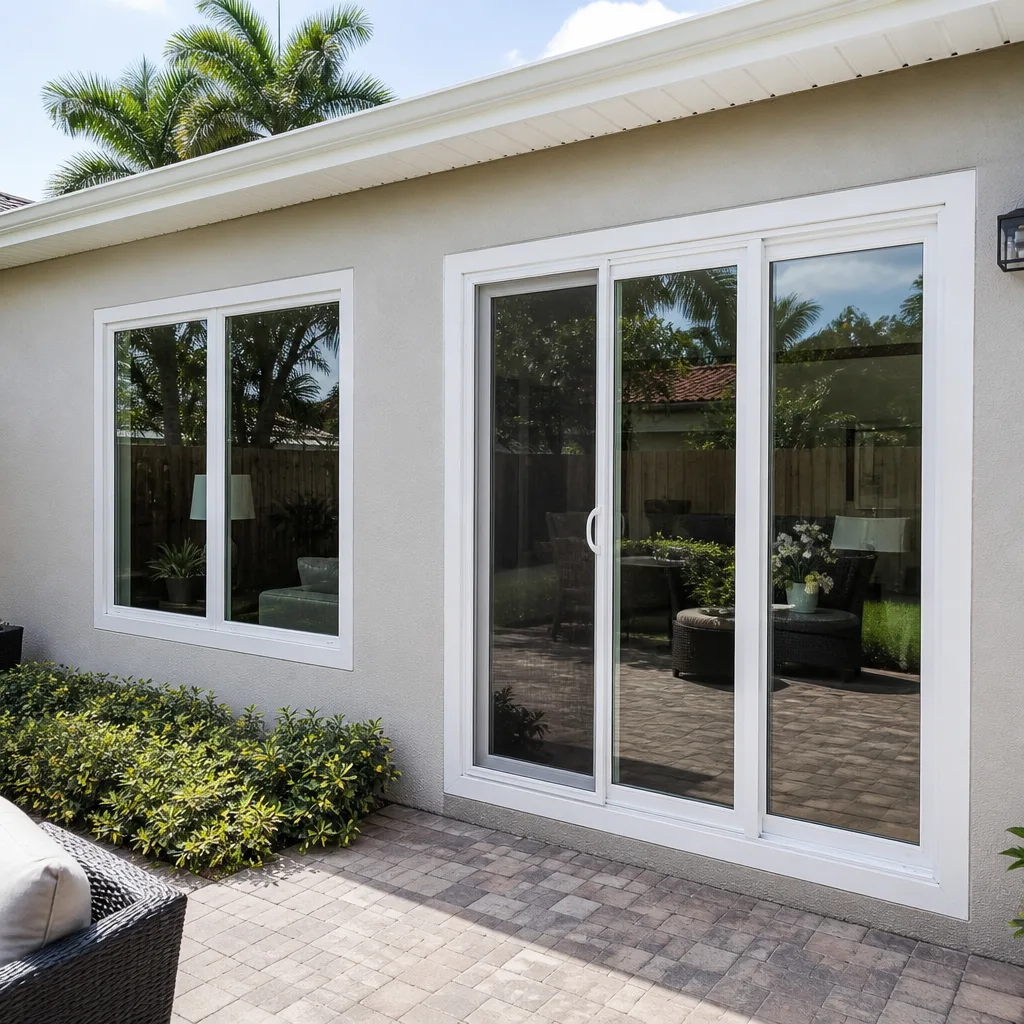 After
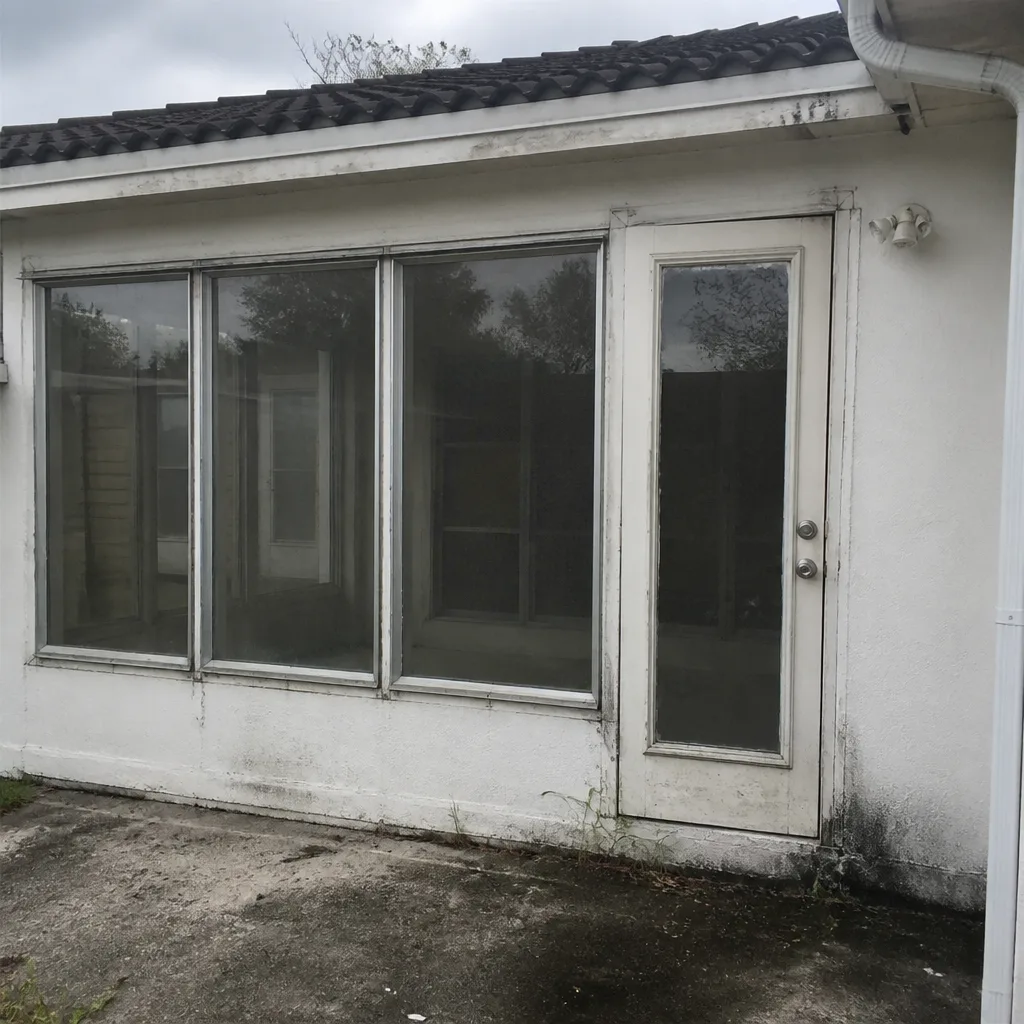 Before
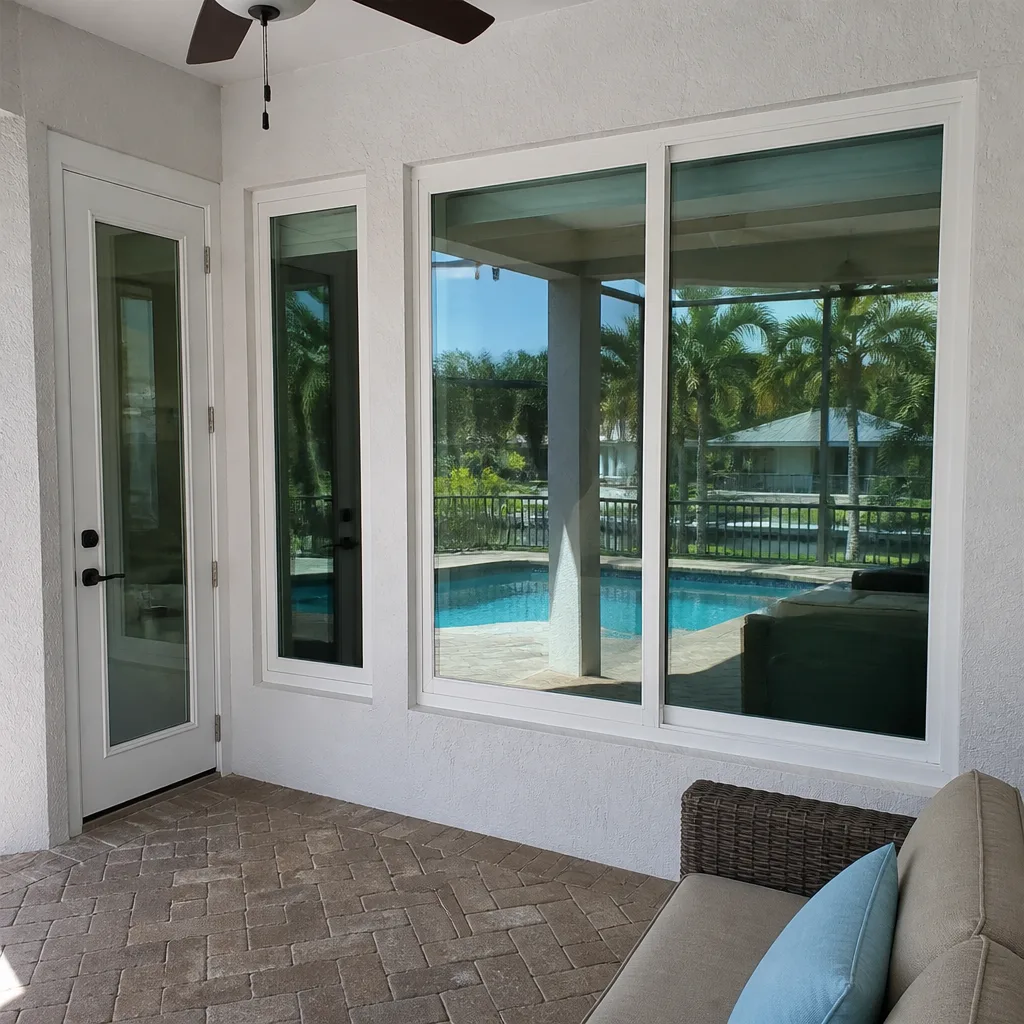 After
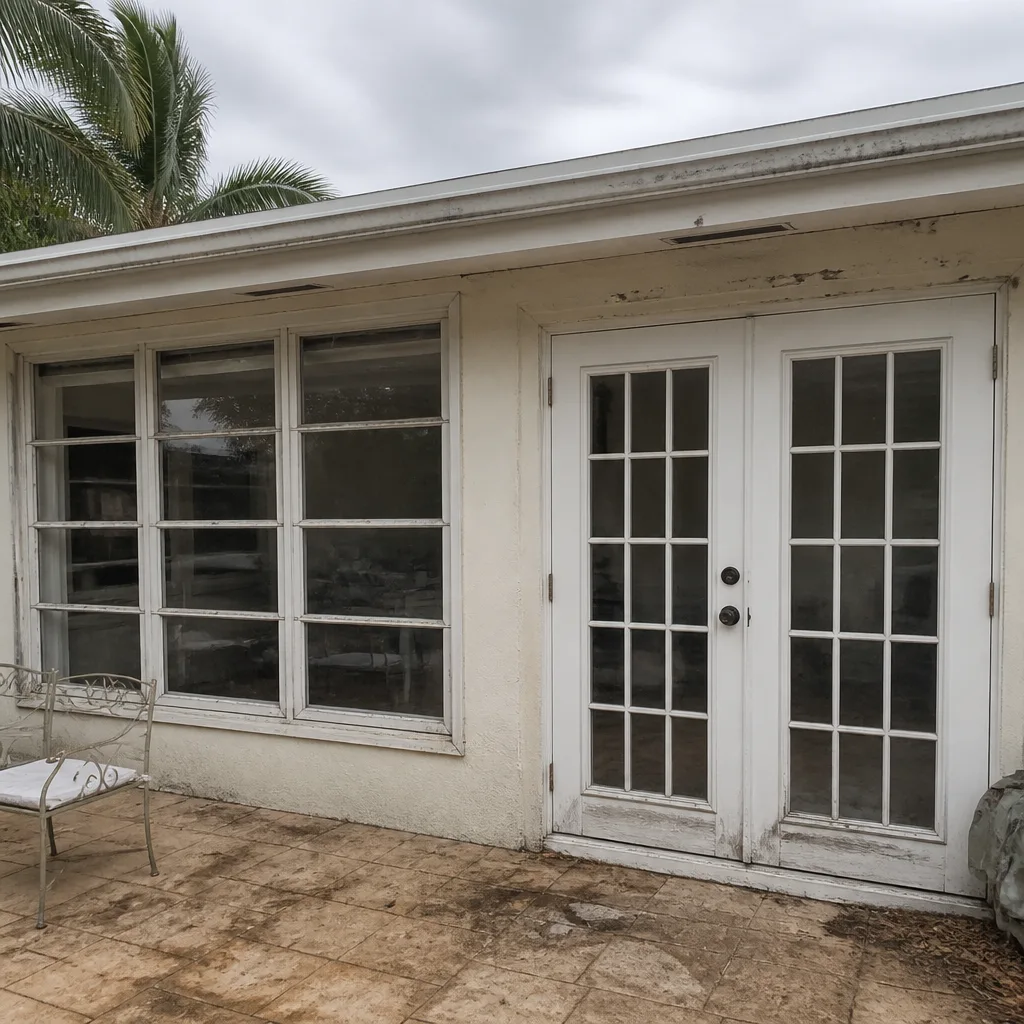 Before
 After
Window Installation Maintenance Checklist for Pompano Beach Homeowners
Most Pompano Beach homeowners don’t lose windows to hurricanes. They lose them to neglect that began the day the caulk cured. A window installed in 2015 has already spent nearly a decade absorbing salt spray, afternoon sun, and the steady humidity that defines life in Broward County. The difference between a window that lasts twenty-five years and one that fails at twelve usually comes down to a maintenance routine that takes less than one Saturday morning a year. This guide walks through exactly what to check, when to check it, and which warning signs mean a phone call instead of a tube of caulk.
Quick Answer
A proper window installation maintenance checklist for Pompano Beach homes covers four things: exterior seal inspection every spring and fall, track and weep hole cleaning every three to four months, hardware lubrication and alignment checks twice a year, and glass seal inspection after every major storm. Homeowners who follow this routine typically add ten to fifteen years of service life to their windows, and they catch the small failures before those failures become water intrusion and frame rot. The full checklist below takes about ninety minutes per season.
Table of Contents
- Why Pompano Beach Is Harder on Windows Than Most Florida Cities
- The Seasonal Maintenance Schedule That Actually Works
- Exterior Seal and Caulk Inspection: What You’re Looking For
- Tracks, Weep Holes, and Drainage: The Overlooked First Line of Defense
- Hardware, Alignment, and Operational Checks
- Glass Seal Failure, Fogging, and Impact Window Specifics
- Frame Inspection: Rot, Termites, and the Things Hiding Behind the Trim
- Common Mistakes to Avoid
- When to Call a Professional
- Frequently Asked Questions
- The Bottom Line
Why Pompano Beach Is Harder on Windows Than Most Florida Cities
Pompano Beach sits in a specific weather corridor that punishes windows differently than inland Florida. We’re close enough to the Atlantic that salt aerosol rides the breeze across Federal Highway and settles on frames in neighborhoods like Cypress Bend and Harbor Village. We’re far enough south that UV indexes routinely hit extreme levels from May through September, which breaks down caulk and gasket compounds faster than manufacturers’ national averages account for. And we’re squarely in the South Florida humidity band, where morning condensation cycles stress seals all year long, not just in summer.
What does this mean in practical terms? A caulk bead that would last seven years in Ohio lasts about three here. An aluminum frame that would stay clean in Tampa picks up pitting and corrosion within five years in Pompano Beach if it’s not washed regularly. Vinyl frames that bake in direct afternoon sun on a west-facing wall expand and contract enough to loosen their sealant bond over time. Our installers see these patterns every week, and they inform every item on the checklist below.
The other factor at play is building code. Pompano Beach enforces the Florida Building Code’s High Velocity Hurricane Zone provisions, which means most replacement windows installed since the early 2000s are impact-rated products designed for wind-borne debris resistance. Those products are tougher than standard residential windows, but their components, like EPDM gaskets, laminated glass interlayers, and stainless steel hardware, still degrade on predictable schedules. Maintaining an impact window correctly means preserving the products’ structural function, not just its appearance.
If you live in a home built before Florida’s post-Andrew code changes went into effect, your windows may be the original non-impact units. Those windows need maintenance more urgently, not less, because they have less margin for failure. A seal that fails on a 1990s single-pane window in Pompano Beach leaves you with water intrusion, not just a cosmetic fog.
One more local factor worth noting: the same warmth that makes Pompano Beach livable in January also means windows get used more. You open them. You close them. The kids lean on the screens. The patio sliders roll back and forth a dozen times a day between Thanksgiving and Easter. That operational wear accumulates faster than in colder climates where windows stay locked from October to April.
The Seasonal Maintenance Schedule That Actually Works
Here’s the schedule we recommend to our Pompano Beach customers. It’s built around two thorough inspections per year, plus smaller recurring tasks that take minutes rather than hours. The timing matters. Hurricane season starts June 1, and the return of dry season in late October gives you clean, cool days for outdoor work without chasing shadows on hot frames.
Spring inspection (late April to mid-May, before hurricane season):
- Walk the entire exterior perimeter and inspect every caulk joint where window frame meets wall. Look for cracks, gaps, peeling, or areas where the caulk has pulled away from either surface.
- Open every operable window in the house. Note any that bind, stick, or require force to move. Check that every window that opens also closes tightly and latches securely.
- Clean all tracks and weep holes. Use a shop vacuum with a narrow attachment, then flush with water to confirm drainage. If water doesn’t drain, clear the obstruction immediately.
- Inspect all screens for tears, bent frames, or loose spline. Torn screens are an entry point for insects and indicate the frame has taken impact from debris or weather.
- Check weatherstripping on every window and door. Run your finger along each strip and replace any that are compressed flat, cracked, or missing sections.
- Test impact windows’ interlayer for visible damage, delamination, or separation at the edges, especially on the east and southeast exposures that take direct ocean wind.
Fall inspection (mid-November to early December, after hurricane season):
- Repeat the full exterior caulk walk. South Florida’s rainy season is hard on sealants, and October storms often open small gaps that go unnoticed.
- Inspect frames for new cracks, corrosion, paint blistering, or wood rot, paying extra attention to the sills and bottom corners where water pools.
- Lubricate all window tracks, hinges, rollers, and locking mechanisms with a silicone-based lubricant. Avoid petroleum products, which attract dust and degrade plastic components.
- Check for frame squareness by measuring diagonally across each operable window opening. Significant changes indicate frame shifting, which is a structural concern, not a maintenance item.
- Inspect exterior trim and casing for warping, especially on south and west exposures. Warped trim creates gaps that let water behind the frame.
- Review your warranty paperwork and confirm both layers are still registered in writing. If you have not done this for recent installs, do it now while the paperwork is fresh.
Recurring tasks (every 3 to 4 months, or after any major storm):
- Vacuum window tracks and sills. South Florida dust mixes with humidity to form a paste that binds rollers and blocks drainage.
- Wipe down frames with mild soap and water. This removes salt residue before it can cause corrosion, which matters a great deal within a few miles of the beach.
- Check that weep holes are clear by pouring a few ounces of water into the track. It should drain freely. If it pools, you found a problem early.
- Test every locking mechanism. A lock that sticks today becomes a lock that fails during a storm when you need it most.
- Inspect the interior for any signs of water stains, especially below windows on upper floors where roof runoff can track down walls.
This schedule takes about ninety minutes per inspection once you know the house. For most homeowners in Pompano Beach, the spring pass is the critical one, because it closes out any issues before the wind picks up.
Exterior Seal and Caulk Inspection: What You’re Looking For
The caulk joint is the single most important maintenance point on any window installation in Pompano Beach. It’s the barrier that keeps wind-driven rain, salt spray, and humidity out of the wall cavity. When it fails, water gets behind the frame, and from there it moves down into the rough opening, the sheathing, the studs, and eventually the interior wall. By the time you see a stain on the drywall, the damage has been underway for months or years.
What you’re looking for on a caulk inspection is straightforward. You want the bead to be intact, flexible, and fully adhered to both the frame and the wall. Specific failure signs include:
- Visible cracks along the caulk line, especially at the corners where window frame meets stucco or siding. These are stress cracks from thermal movement.
- Separation gaps where the caulk has cleanly pulled away from one surface. This tells you the material lost its adhesive bond.
- Chalky, powdery, or crumbling texture when touched, which indicates the sealant has degraded from UV exposure and is no longer waterproof.
- Mold or mildew growing on or under the caulk, which means moisture is already penetrating and sitting in the joint.
- Shrunken or recessed beads that no longer bridge the gap. Recessed caulk is a sign of original application over a gap that was never properly backer-rodded.
Here’s a local detail that catches a lot of Pompano Beach homeowners off guard: not all caulk is equal in this climate. The OEM-grade silicones and polyurethane sealants we use on exterior window perimeters are specifically rated for high-UV and high-movement applications. Home improvement store acrylic latex caulk, the kind labeled as “paintable” and “easy cleanup,” will not survive a single Pompano Beach summer on a west-facing wall. If you are doing touch-up re-caulking yourself, buy a product that says “exterior window and door” and “UV resistant” on the label, and expect it to cost twenty dollars or more per tube. The three-dollar tube is the expensive one.
For stucco homes, which dominate Pompano Beach neighborhoods like Cresthaven and Palm Aire, the interaction between caulk and stucco matters. Stucco is a rigid, brittle material. The window frame moves with temperature. The caulk has to absorb that differential movement. When it hardens, the stucco cracks instead. That’s why we recommend replacing failed sealant with high-movement products and checking for new stucco cracks around frames each season.
Tracks, Weep Holes, and Drainage: The Overlooked First Line of Defense
Every properly installed window in Florida has a drainage system built into its design. Water that gets past the weatherstripping, driven by a Pompano Beach squall, is supposed to collect in the bottom track and exit through weep holes, the small openings on the exterior face of the frame. When those weep holes clog, the water has nowhere to go. It sits in the track, corrodes the frame, seeps under the sill, and eventually finds its way into the house.
Weep hole maintenance is simple but essential. The holes are small enough that a grain of sand, a bit of leaf debris, or a dollop of potting soil from a nearby planter can block them. In coastal Pompano Beach, salt crystallizes around the weep hole openings and narrows them over time. A few minutes with a wooden pick or a pipe cleaner clears most blockages. We do not recommend metal picks, because they scratch the frame and create spots for corrosion to start.
To test drainage on any window or door:
- Pour a small cup of water directly into the bottom track on the interior side.
- Watch the exterior weep holes. Water should exit within thirty to sixty seconds.
- If water does not drain, clear the weep holes from the outside, then retest.
- If water still doesn’t drain after clearing the holes, the frame’s internal drainage channels are blocked, and the sash may need to be removed to access them.
The same drainage logic applies to sliding patio doors, which are common in Pompano Beach homes with pool decks and patio spaces. Slider tracks collect dirt fast, and a slider is the first thing to show problems when drainage fails. The rollers sit directly in the track, so standing water accelerates roller failure, and worn rollers cause the door to drag, which then causes the operator to force it, which then causes the handle and lock to fail. It starts with a clogged weep hole.
Cleaning tracks properly means vacuuming first, then wiping with a damp cloth, then re-lubricating the track or rollers. Do not use dish soap in the track, because the residue attracts more dirt. A dry silicone spray applied to the track after cleaning keeps things moving without creating a dust magnet.
Hardware, Alignment, and Operational Checks
Window locks, hinges, and balances are mechanical systems. They wear. The question is whether you catch the wear before it fails, and in Pompano Beach, where humidity accelerates corrosion and salt air attacks moving metal parts, you can’t assume hardware will last the life of the window without attention.
Locks and latches: Every lock should operate with light, predictable resistance. If a lock requires force, the sash is out of alignment and the mechanism is fighting the frame. If a lock spins freely, the internal gear or pawl is stripped. Both conditions mean the lock will not secure the window the way you need it to during a storm. Lubricating a sticking lock is a maintenance fix. Replacing a stripped lock is a repair, but it’s a small one that costs far less than the break-in or storm damage a failed lock invites.
Balances and openers: Double-hung windows rely on balance systems, either spiral rods, block and tackle, or springs, to hold the sash up. A window that slams closed when released has a failed balance. A window that is noticeably harder to open on one side than the other has a balance that’s working harder on one side, which means wear is underway. These are not items to ignore. A failing balance makes the window harder to operate, which leads to force, which leads to broken glass and bent frames.
Alignment: A window that’s out of square, where the gap between sash and frame is wider at one end than the other, tells you the frame has shifted. In Pompano Beach this can come from settlement, from thermal cycling, or from structural movement after a major storm. Minor alignment issues can often be corrected by adjusting the hinges and rollers. Major shifts, where the window no longer seats evenly and daylight is visible at the corner, are a professional repair.
For casement windows, which use a crank mechanism and hinge arms, the operational check is the crank function. It should turn smoothly in both directions without grinding, and the sash should seat fully into the frame at the end of the travel. Grinding indicates the operator gear is stripped. A casement that won’t seal tightly at one corner means the hinge arm has worn or the sash is misaligned.
Sliding windows and doors deserve their own check for roller condition. Rollers that are flat-spotted or seized make the panel hop or require two hands and a shoulder to move. Replacing rollers on a Pompano Beach slider is a routine repair that restores the original operation and extends the life of the track and locking hardware.
All of these checks are about catching something small before it becomes something expensive. A lock replacement might be seventy-five dollars. A broken sash from forcing a stuck window is hundreds, plus glass, plus labor.
Glass Seal Failure, Fogging, and Impact Window Specifics
A failed glass seal is one of the most common problems we see in Pompano Beach, and it’s directly tied to climate. Insulated glass units, or IGUs, are made of two or more panes sealed together around a spacer with a desiccant inside to absorb residual moisture. The seal, which is actually a primary seal of polyisobutylene and a secondary seal of silicone or polysulfide depending on the manufacturer, has to remain intact for the life of the unit. In South Florida, the combination of high temperature, high humidity, and thermal cycling tests those seals harder than almost any other market.
When a seal fails, moisture gets inside the unit. You see fog, haze, or condensation between the panes that does not wipe away from either side. This is not a cleaning problem. It is a manufacturing or installation problem, and it means the window has lost some of its insulating performance.
Specific signs of glass seal failure include:
- Fog or condensation between the panes that appears in the morning and may fade as the day warms. This is early-stage failure.
- Permanent haze, streaks, or water spots on the inside surface of the glass that cannot be reached for cleaning.
- Distortion or a wavy appearance in the glass, which indicates the unit is under stress from a failing seal or an over-compressed frame.
- A sweet or metallic smell near the window in rare cases, which can indicate desiccant saturation and outgassing.
For impact windows, the laminated glass interlayer adds another maintenance consideration. Impact windows in Pompano Beach are built with either PGT WinGuard, Simonton StormBreaker, Jeld-Wen impact, or similar products depending on what was specified at install. Those laminated units have a plastic interlayer between two panes of glass. Over time, particularly on east and southeast exposures, the interlayer edge can show small signs of delamination, which looks like a milky border creeping inward. Any visible delamination on an impact unit should be checked by a professional, because the unit’s structural performance in a wind event depends on the interlayer staying bonded.
One more note for coastal homes: glass that faces the ocean takes microscopic pitting from salt and sand over time. You may notice it as a slight frostiness on the exterior pane that does not clean off. This is surface erosion, not seal failure, but it degrades clarity and can eventually weaken the lite. Homes within a quarter mile of the beach see this faster. Homes west of I-95 rarely see it at all. A professional can polish minor pitting; severe pitting means replacement glass.
Frame Inspection: Rot, Termites, and the Things Hiding Behind the Trim
Frames fail from the inside out in a humid climate. The exterior may look fine while water has been working behind the trim for years. This is why frame inspection matters, and why visual inspection alone is not always enough. In Pompano Beach, with our combination of high water table, heavy rains, and warm temperatures, the window-to-wall connection is the most common place for concealed damage of any kind.
Wood frames: Check for softness by pressing a screwdriver or awl into the sill and the bottom corners at a slight angle. If the wood gives way or feels spongy, it has rotted. Also look for paint that is bubbling or peeling specifically at the bottom corners or along the sill. That’s trapped moisture pushing through. And look for sawdust that is not from recent construction, because it may be termite or carpenter ant activity.
Aluminum frames: Look for white or gray powdery corrosion on the surface, especially around screw holes, joints, and the sill. That’s oxidation, and left alone it expands, forces joints apart, and creates new water entry points. Also look for condensation on the interior aluminum surface during humid mornings, which means the frame is not thermally broken and is sweating, a common condition on older Pompano Beach houses with original aluminum windows.
Vinyl frames: Check for warping, bowing, and cracked corners. Vinyl expands and contracts more than most other frame materials, and on a west-facing Pompano Beach wall, a dark-colored vinyl frame can get hot enough to soften slightly. If the frame has a noticeable bow, it may be thermally stressed. If corners crack, the frame loses its structural seal at the weakest point.
What hides behind the trim: This is the part you cannot inspect from outside. Water that gets past a failed caulk joint moves straight down the wall cavity. In wood frame construction, it feeds rot and termites. In concrete block construction, it can corrode the anchor fasteners that hold the window frame to the building. One of the services we provide during a professional inspection is removing a small section of interior trim to check the condition of the rough opening. What we find is usually a direct reflection of how long a caulk failure was left in place.
For houses in Pompano Beach’s older neighborhoods, like Garden Isles and Highlands, where the original windows may date to the 1960s or 1970s, frame inspection is especially important. Those frames predate modern waterproofing standards, and the original installation methods did not include the flashing and sealing details that current code requires.
Common Mistakes to Avoid
- Using the wrong caulk. Interior acrylic latex caulk on an exterior window perimeter in Pompano Beach fails within a year. Use high-quality exterior silicone or polyurethane sealant rated for UV exposure and thermal movement. The extra fifteen dollars per tube is the cheapest insurance you’ll ever buy for your walls.
- Ignoring weep holes. A blocked weep hole turns your window track into a swimming pool. Water sits against the frame and hardware, and in Pompano Beach’s salt air, that standing water accelerates corrosion dramatically. Clear weep holes every quarter.
- Painting over weep holes. It happens more often than homeowners realize, especially after exterior repainting. A painter who does not tape over weep holes will seal them with a coat of paint, and the window loses its drainage path entirely. Always confirm weep holes are clear after any exterior paint work.
- Lubricating with WD-40 or petroleum products. Petroleum-based lubricants attract dust and build up in tracks over time. They also degrade vinyl and rubber components. Use dry silicone spray or a PTFE-based lubricant designed for window and door hardware.
- Forcing a stuck window. If a window binds, forcing it bends hardware, breaks balances, and stresses the glass. A stuck window is telling you something specific, and that message is worth hearing before it becomes a broken sash and a glass replacement bill.
- Assuming impact windows need no maintenance. Impact-rated windows are tougher, but their seals, gaskets, and hardware wear on the same schedule as standard windows. The laminated interlayer also adds a failure point that standard windows do not have. Impact windows in Pompano Beach deserve the same seasonal attention.
- Caulking over old, failed caulk. New caulk does not bond to old oxidized caulk. The old bead must be removed completely, the joint cleaned, and a proper backer rod installed where needed. Skip this step and the new bead peels in the first season, leaving you exactly where you started.
When to Call a Professional
Some window maintenance tasks are genuinely do-it-yourself. Clearing weep holes, cleaning tracks, lubricating hardware, and inspecting caulk are all within reach for a careful homeowner. Other situations call for a trained eye and the right tools. If you see fog between glass panes, water staining on interior walls, visible frame rot, unexplained drafts, or a window that no longer closes securely, do not wait. Those are not maintenance items. They are failure signals, and in Pompano Beach’s climate, the cost of waiting is usually measured in additional damage, not just delay. A professional can assess whether the fix is a repair or a replacement, and can quote you an honest number either way. TruePane Windows & Doors offers free estimates in Pompano Beach. Call (863) 591-8673 and we’ll put eyes on it.
Frequently Asked Questions
Inspect your windows twice a year, once in late April or May before hurricane season and once in November after storm season ends. The spring inspection is the one that matters most, because it gives you time to fix anything before the first named storm of the year.
Basic maintenance materials, including quality caulk, silicone lubricant, and cleaning supplies, run $50 to $100 per year for a typical Pompano Beach home if you do the work yourself. Professional inspections and tune-ups are available at modest cost, and a maintenance check covers a full professional check if you prefer trained eyes on the job. Call (863) 591-8673 for current pricing on any specific repair.
The first signs of window failure are usually fog or condensation between glass panes, difficulty opening or closing a sash, visible cracks in exterior caulk, and water pooling in tracks after rain. Any one of these deserves attention within weeks, not months, especially in Pompano Beach’s humid climate.
Impact windows need the same seal, track, and hardware maintenance as standard windows, plus an additional check for interlayer delamination at the glass edges. The interlayer is the plastic membrane inside the laminated glass, and any milkiness or separation visible at the edge is a professional evaluation trigger.
No. Fog between the glass panes is a failed insulated glass unit seal, and it cannot be repaired from the outside. The unit needs replacement. In Pompano Beach, the heat and humidity make this a common repair, and a professional can confirm whether the seal failure is covered under warranty before you pay anything out of pocket.
The combination of fine sand from ocean breezes, high humidity, and everyday household dust creates a gritty paste that settles in window tracks. Homes east of Federal Highway see more of this than homes inland, but the pattern is consistent across Pompano Beach. Cleaning tracks every three to four months prevents the paste from hardening and binding the rollers.
The Bottom Line
Windows in Pompano Beach need seasonal attention, and the homeowners who give it are the ones who avoid the expensive surprises. The routine is simple: inspect caulk every six months, clear tracks and weep holes every quarter, lubricate hardware twice a year, and watch for fog, rot, and binding. Small fixes caught early cost a fraction of what replacement costs later. TruePane Windows & Doors has served Pompano Beach, and we follow a founding rule that settles every question: if the pane is not true, the job is not done. Call (863) 591-8673 for a free estimate on anything from a failed seal to a full impact window installation.
Written by the team at TruePane Windows & Doors.
Six Reasons Homeowners Choose TruePane Windows & Doors
Impact systems engineered to design pressures up to +/-100, matched to your wind zone - your openings hold when the storm arrives.
Low-E insulated impact glass from our manufacturer lines commonly cuts monthly cooling bills 20-30%.
Laminated impact glass shuts out up to 40% of outside noise - traffic, neighbors, weather.
Monitoring services run $30-90 a month. Laminated impact glass resists forced entry around the clock, with no subscription.
Florida homeowners average around 25% savings on the windstorm portion of their policy after protecting every opening - some homes qualify for more.
A full impact package upgrades curb appeal, buyer confidence and appraised value in one project.